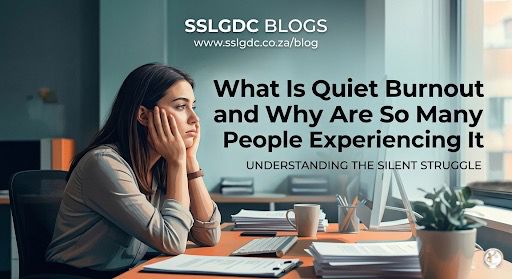
Quiet burnout is a state of emotional and mental exhaustion that develops without obvious warning signs. A person continues with daily responsibilities, meets deadlines, attends to family needs, and maintains a routine. On the surface, everything appears stable. Internally, there is fatigue, detachment, and a steady loss of motivation.
This form of burnout often goes unnoticed because it does not interrupt productivity in a dramatic way. People continue to function, which makes it easy to ignore what is happening beneath the surface. Over time, the strain builds and begins to affect focus, emotional stability, and overall well-being.
Many people experiencing quiet burnout describe a sense of heaviness. Tasks feel harder to complete. Simple decisions require more effort. There is a constant feeling of being drained, even after rest. Emotional responses may feel muted, and enjoyment in daily life starts to fade.
There are several reasons why quiet burnout has become so common.
Daily life places continuous demands on individuals. Work responsibilities, financial pressure, family obligations, and social expectations often exist at the same time. There is little space to pause and recover. People move from one responsibility to the next without proper mental rest.
There is also a strong culture of pushing through exhaustion. Many individuals take pride in being dependable and resilient. They carry on despite feeling overwhelmed. Over time, this pattern leads to emotional depletion.
Technology plays a role as well. Constant access to emails, messages, and social platforms keeps the mind active for long periods. The body may be at rest, yet the mind remains engaged. This prevents proper recovery and contributes to ongoing fatigue.
Another factor is emotional suppression. Many people do not express what they are feeling. They keep concerns to themselves and continue with their responsibilities. This creates internal pressure that builds quietly over time.
Quiet burnout often shows itself through subtle changes. A person may feel disconnected from their work or personal life. There may be a decline in concentration and memory. Sleep patterns can shift, and irritability may increase. These signs are easy to overlook when life continues as normal.
Addressing quiet burnout requires intentional awareness. It starts with recognising that functioning does not always reflect well-being. A person can meet expectations and still feel mentally exhausted.
Small, consistent changes are important. Setting clear boundaries around work and personal time helps create space for rest. Taking short breaks during the day allows the mind to reset. Limiting constant digital engagement supports mental recovery.
Emotional expression is equally important. Speaking to someone in a safe and confidential space allows thoughts to be processed. This reduces internal pressure and brings clarity.
Professional support plays a valuable role in managing quiet burnout. Counselling provides structure, guidance, and a space to understand what is contributing to the exhaustion. It also helps individuals develop practical strategies to restore balance and maintain emotional stability.
Quiet burnout does not resolve on its own. It requires attention and deliberate care. When addressed early, it is possible to regain focus, energy, and a sense of control.
At SSLGDC, virtual wellness counselling offers a private and supportive environment to explore these experiences. It creates an opportunity to step away from constant pressure and focus on personal well-being with guidance that is structured and practical.